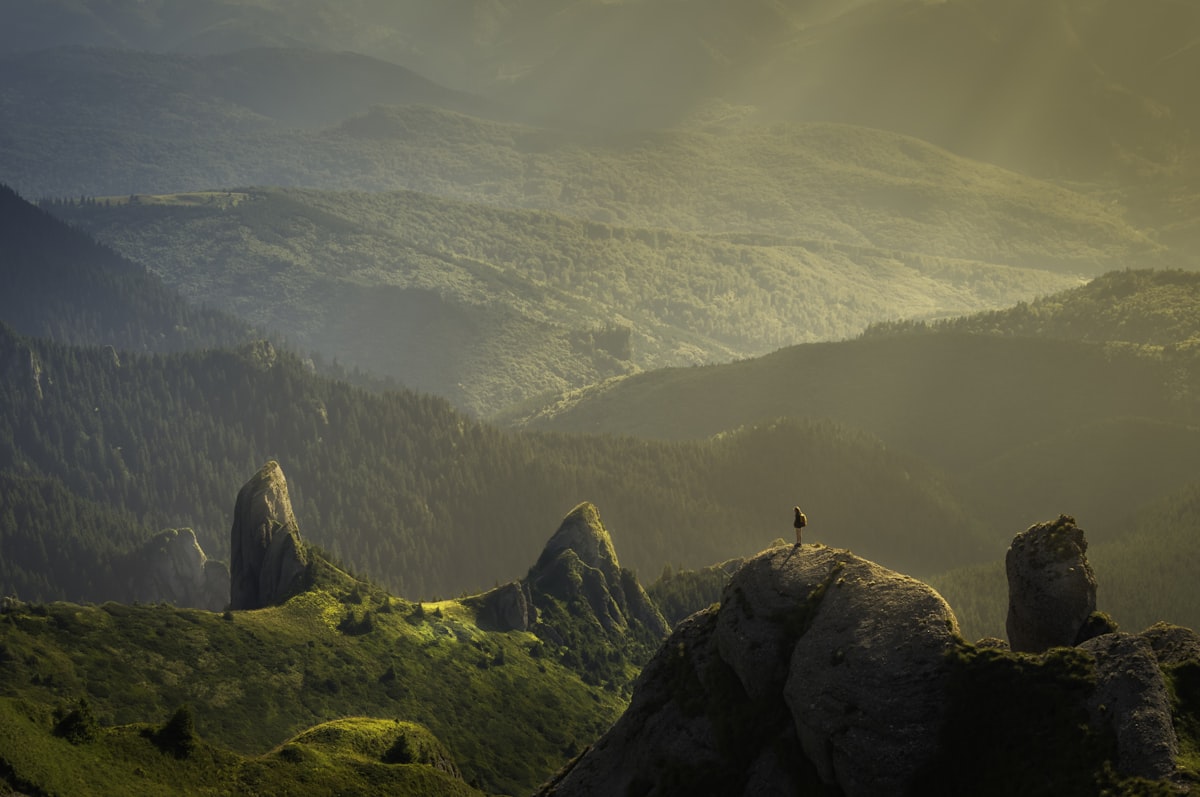
National parks represent one of humanity's better ideas: landscapes so extraordinary they belong to everyone, protected in perpetuity from the development that would otherwise consume them. From the thermal absurdity of Yellowstone to the vertical drama of Torres del Paine, the world's national parks offer access to nature at its most uncompromising. But the logistics of visiting them — permits, seasons, access, accommodation — are often more complex than the guidebooks suggest, and the gap between a well-planned park visit and a chaotic one is the difference between transformative experience and expensive disappointment.
Understanding Permit Systems
The most consequential national park planning error is arriving without the required permits. Many of the world's most spectacular parks limit visitor numbers through permit systems, and these permits can sell out months in advance. The US National Parks Service issues permits for popular backcountry routes (the Half Dome cables in Yosemite, the Wave in Vermilion Cliffs, the lottery-based permits for popular trails in Grand Canyon and Zion). New Zealand's Great Walks require booking huts or campsites in advance during peak season. Peru's Inca Trail requires a licensed guide and permits that sell out months ahead.
Permit systems vary by country and even by park. Some are lottery-based (applied for months in advance), some are first-come-first-served (in-person, at specific locations, at specific times), and some are bookable online in advance. Research your specific park's permit requirements before planning anything else. If the permit you need is unavailable, reconsider your dates, your route, or your destination — you cannot visit many popular parks without the required permits.
Park entry fees are separate from backcountry permits. Most national parks charge entry fees — typically $20-80 per vehicle for US parks, variable elsewhere — that are valid for multiple days. The America the Beautiful annual pass ($80) pays for itself if you visit three or more US national parks in a year. Many countries offer similar annual park passes that provide similar value for frequent visitors.
Season and Weather
National parks are seasonal, and the "best" time to visit depends entirely on what you want to do and what your tolerance for crowds is. Peak season (summer in the Northern Hemisphere, December-February in the Southern Hemisphere) offers the longest days, most accessible trails, and full services, but also maximum crowds and, in some parks, overwhelmed infrastructure. Shoulder seasons offer smaller crowds, easier permit availability, and more individualistic experiences, but shorter days, potential trail closures, and variable weather.
Weather in mountain parks is notoriously unpredictable. Afternoon thunderstorms are a daily occurrence in the Rocky Mountains, the Alps, and many alpine parks from July through September. These aren't gentle rain showers — they're electrical events that make exposed ridgelines and peaks genuinely dangerous. The rule: be off high exposed terrain by early afternoon, no matter how clear the morning looks. Starting a summit attempt at noon because the weather looks fine is how people die in national parks.
Winter transforms many parks into entirely different destinations. Yosemite Valley in winter is quieter, cheaper, and more atmospheric than summer, with waterfalls frozen into ice columns and the valley floor open to cycling and hiking. Yellowstone in winter is accessible only by snowcoach, creating an otherworldly experience with wolves and elk in thermal landscapes. Many parks that are impassable in winter become cross-country skiing and snowshoeing destinations. If you're flexible on timing, winter visits reward you with experiences unavailable in summer.
Accommodation Inside the Park
Lodging within national parks is typically limited, expensive, and booked far in advance. Yosemite Valley Lodge and Ahwahnee Hotel (now The Yosemite Valley Lodge and Tenaya Lodge at the Boundary), Zion Lodge, Yellowstone's Old Faithful Inn — these properties book solid a year in advance for peak season. If you want to wake up inside the park rather than commuting in each morning, make your reservations the moment they open, typically 12 months to the day for most properties.
Camping is the more accessible option for most parks. Campgrounds within parks fill on a first-come-first-served basis in many parks (arrive early morning on the day you want to camp), or can be reserved in advance through Recreation.gov for parks that take reservations. Campground quality varies enormously: some are pleasant, shaded, and well-maintained; others are dusty parking-lot equivalents. Read recent reviews specifically for the campground you plan to use.
Gateway towns outside park entrances offer more accommodation options at lower prices, with the tradeoff of commute time. Flagstaff for Grand Canyon South Rim, West Yellowstone for Yellowstone, Jackson for Grand Teton — these towns exist largely because of