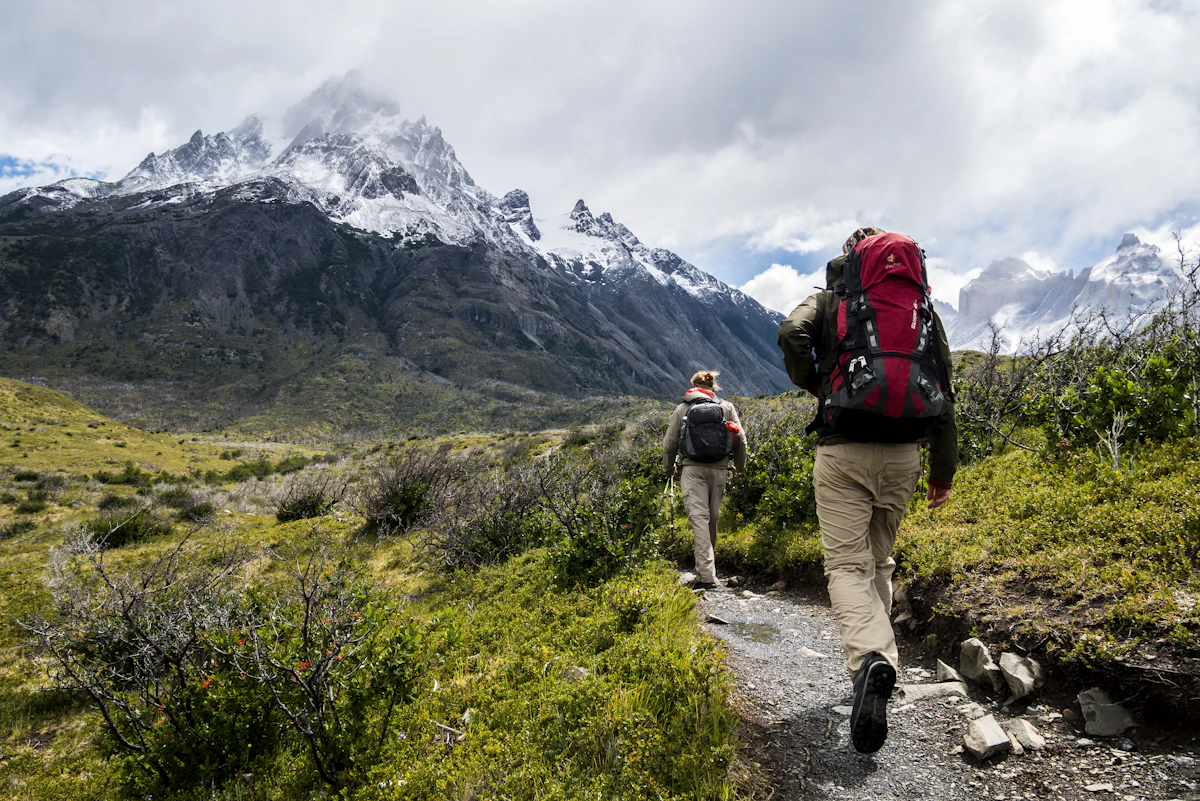
The first hike I guided was a group of beginners on a 12-kilometer trail with 400 meters of elevation gain. By the halfway point, three people were struggling — not because they were unfit, but because they'd never hiked with a loaded pack, didn't understand how to manage their energy on the ups, and had underestimated how much water they needed. None of that is obvious until you're on the trail. This guide tries to get you past those lessons without the suffering.
Choosing Your First Trail
Trail difficulty is a combination of distance, elevation gain, terrain type, and path quality. For first-time hikers, the best approach is to choose a distance shorter than you think you can handle, on well-maintained trails, with modest elevation gain. 5-8 kilometers with under 300 meters of gain, on a marked trail, is an appropriate first hike.
Resources for finding appropriate trails: AllTrails (has difficulty ratings and recent condition reports), local park websites (for national and state parks), and hiking clubs (who often organize beginner-friendly group hikes). The condition reports on AllTrails are particularly valuable — a trail described as \"overgrown\" or \"very rocky\" is significantly harder than the distance and elevation suggest.
Weather is a trail difficulty multiplier, not an add-on. A 10-kilometer trail in 30°C heat with full sun exposure is dramatically harder than the same trail at 18°C with cloud cover. Check the forecast specifically for the elevation you'll be hiking at — mountain weather is often 5-10 degrees colder than the valley forecast suggests.
Gear Fundamentals
Footwear is the most important piece of hiking gear. Trail runners have largely replaced hiking boots for most hikers — they're lighter, break in immediately, and are more comfortable on established trails. Boots remain appropriate for very rough terrain, snow, or if you have ankle instability that requires the support of a boot. Whatever you wear, break them in before the trail.
The 10 essentials: navigation (map, compass, GPS), sun protection (sunscreen, hat, sunglasses), insulation (extra layer regardless of forecast), illumination (headlamp with spare batteries), first-aid kit, fire (lighter, waterproof matches), repair tools (knife, duct tape, cordage), nutrition (more than you expect to need), hydration (water and filter), and emergency shelter (space blanket or bivy). These aren't paranoia — they're the items that transform an inconvenience into a survivable situation.
Backpack fit matters more than brand. A 25-35 liter pack for day hikes, 45-65 liters for overnight, loaded with no more than 20% of your body weight. For first overnight trips, borrow gear before buying — you won't know what you value until you've done it.
Nutrition and Hydration
The hiking hunger is real and intense — most people burn 400-600 calories per hour on moderate terrain. Eat before you're hungry (hunger is a late signal) and snack every 45-60 minutes on the trail. Trail mix, energy bars, dried fruit, and sandwiches cover most needs. For overnight trips, hot meals at camp improve morale significantly — instant couscous, dehydrated meals, and packet soups require minimal fuel and cleanup.
Water requirements: 500ml per hour of moderate activity in temperate conditions, more in heat. The common mistake is not carrying enough — a 10-kilometer hike in warm conditions can require 2-3 liters. Know water sources along your route before you start. Always carry a backup liter even if you're near a stream.
Navigation Basics
Every hiker should know how to read a map and use a compass. Smartphone GPS is excellent for navigation but fails when batteries die, screens crack, or signal is lost. Paper maps don't fail. Learn to orient a map using terrain features, identify your position using three reference points, and plot a route that doesn't rely on a single fixed line.
The most common navigation error: following a blazed trail and losing the markers. When trail markers disappear — due to snow, blowdown, or just poor marking — the instinct is to push forward. The correct response is to stop, backtrack to the last known marker, and reassess. Getting further lost while trying to save face is the most common cause of search and rescue callouts.
Trip Planning Tools
Use our Distance and Time Calculator to estimate realistic hiking duration. Our Water Intake Planner helps you calculate hydration needs. For multi-day hikes, our Route Elevation Profile Tool gives you difficulty ratings and time estimates.